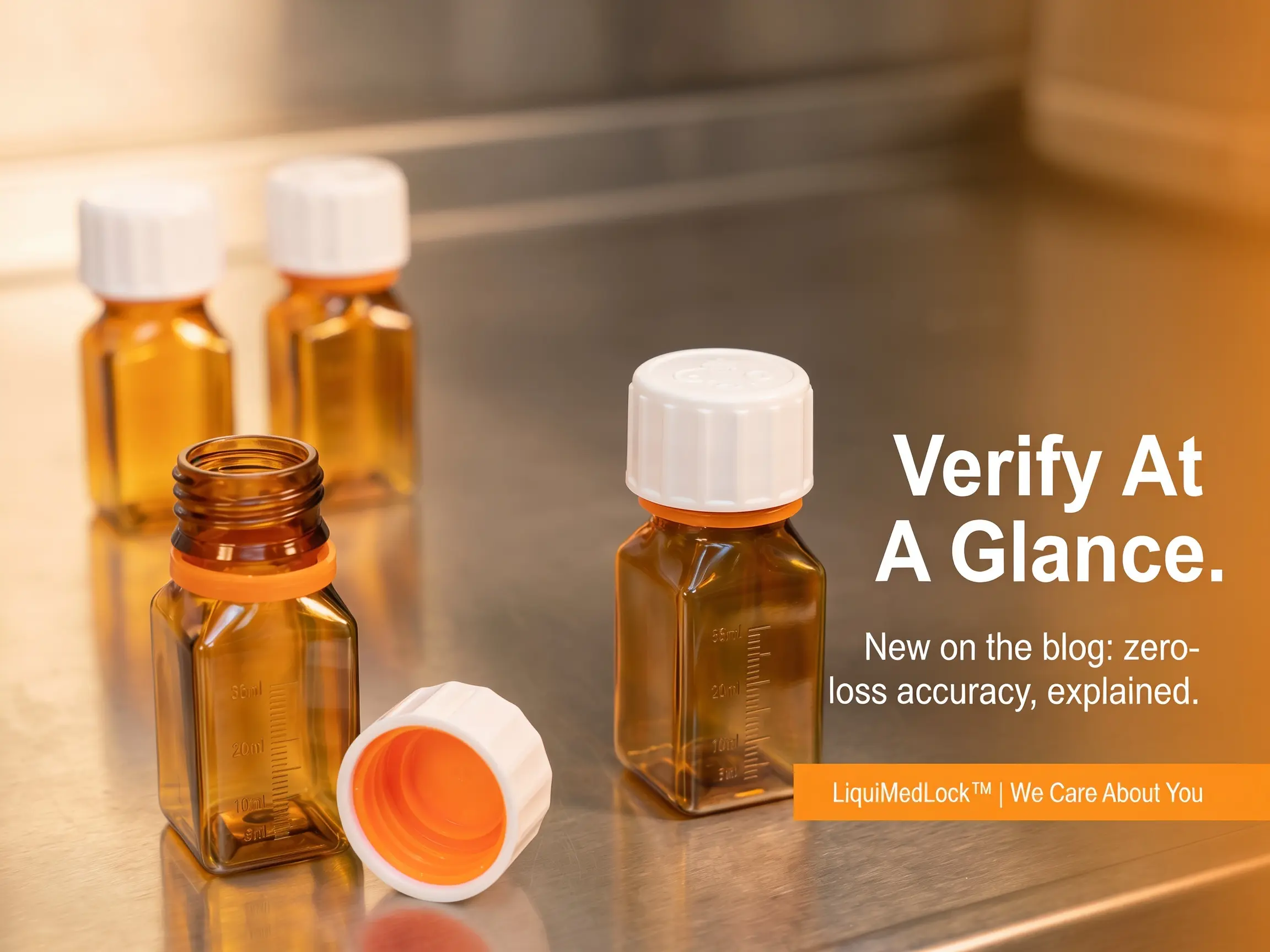
What Zero-Loss Accuracy and Instant Verification Mean for Your Program
Last month we talked about what care looks like at the level of a bottle cap. This month, two more decisions worth knowing about: how we


Last month we talked about what care looks like at the level of a bottle cap. This month, two more decisions worth knowing about: how we
This summer we spent time doing something most suppliers skip. We asked nurses at the dispensing window what the job actually costs, and then we listened

Last month we introduced this campaign with a simple line: the same way you care about your patients, LiquiMedLock cares about you. This month, we want

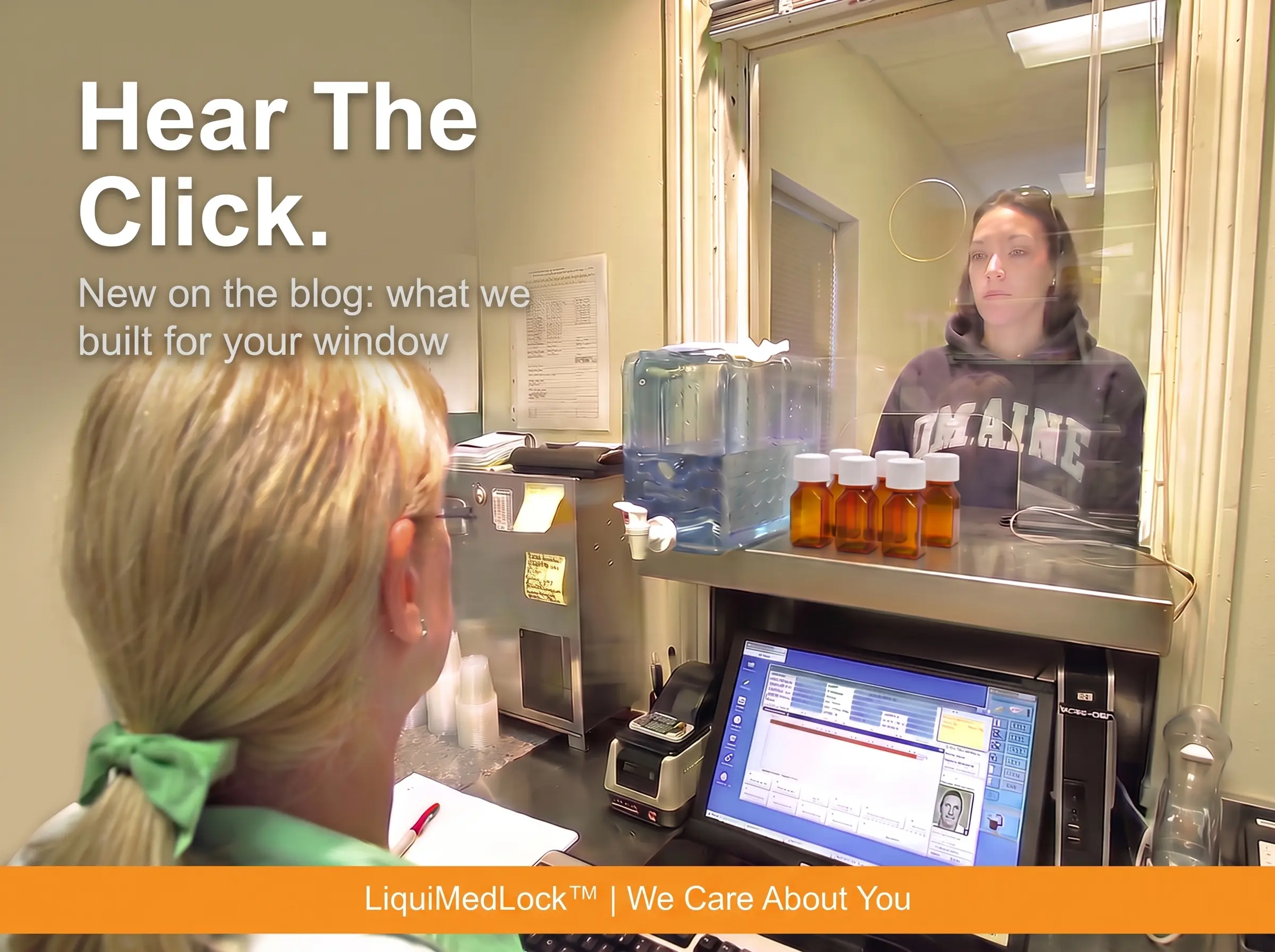
Last month we wrote about the window. The one most methadone clinics have, small and sometimes enclosed, where a nurse spends her shift knowing every patient’s

In Medication-Assisted Treatment (MAT), patient autonomy is a cornerstone of recovery. When clinics grant take-home methadone doses, they’re not just reducing clinic visits – they’re trusting

In any Medication-Assisted Treatment (MAT) program, the nurse is the final gatekeeper before a methadone dose reaches the patient. Whether preparing bottles during batching, verifying seals
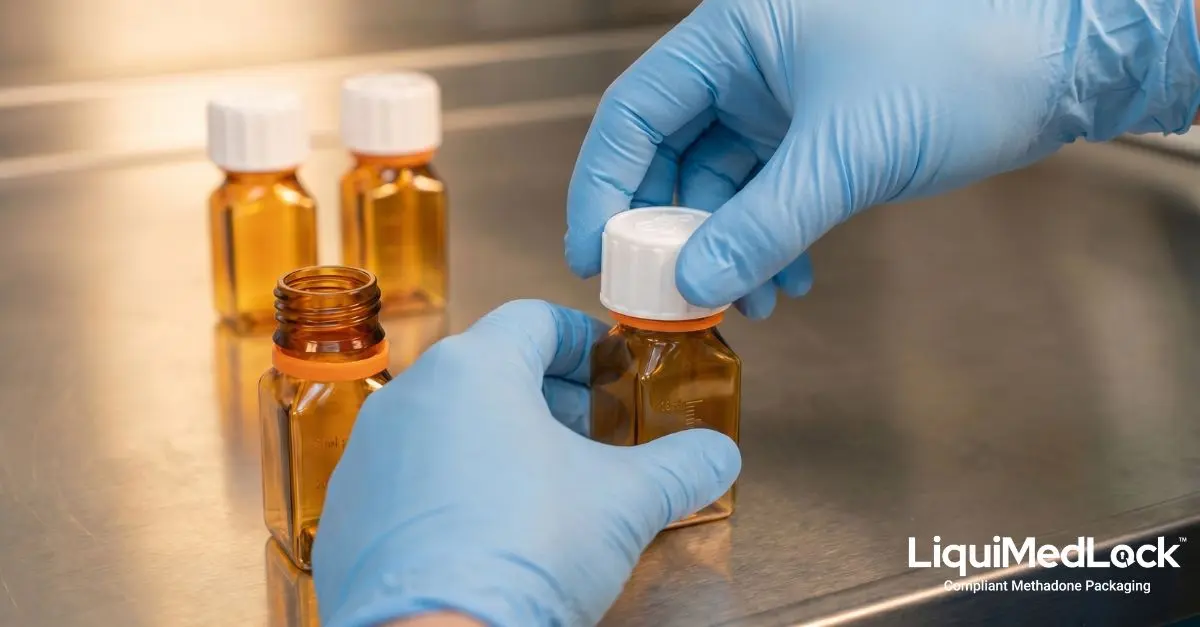
In Medication-Assisted Treatment (MAT) clinics, small design details have big operational consequences. Nurses batch hundreds of methadone bottles per day. Patients handle take-home doses with varying
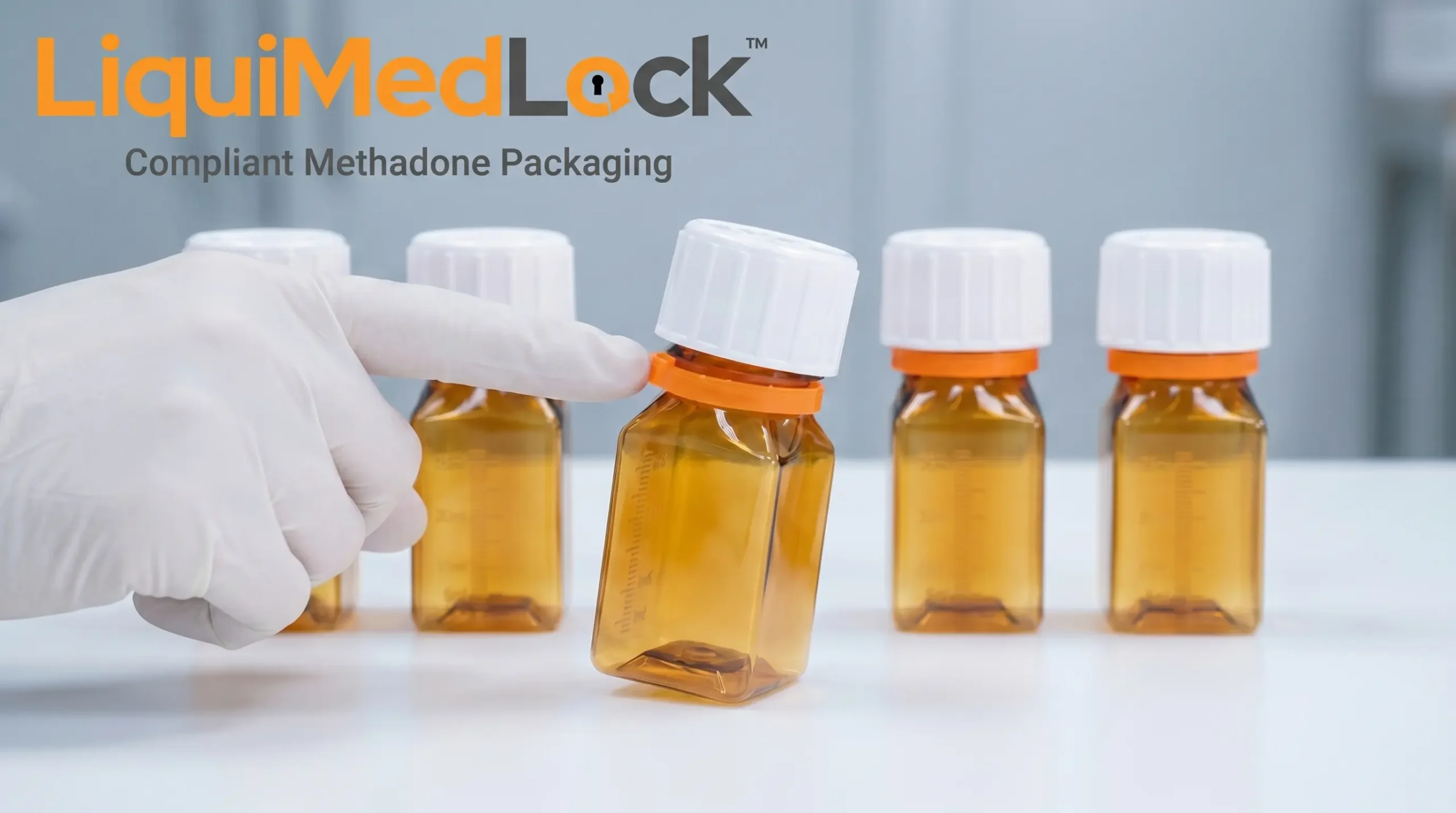
Compliance is not a side task in Medication-Assisted Treatment (MAT) – it’s the foundation. Clinics must meet federal, state, and accreditation standards for every dose dispensed,
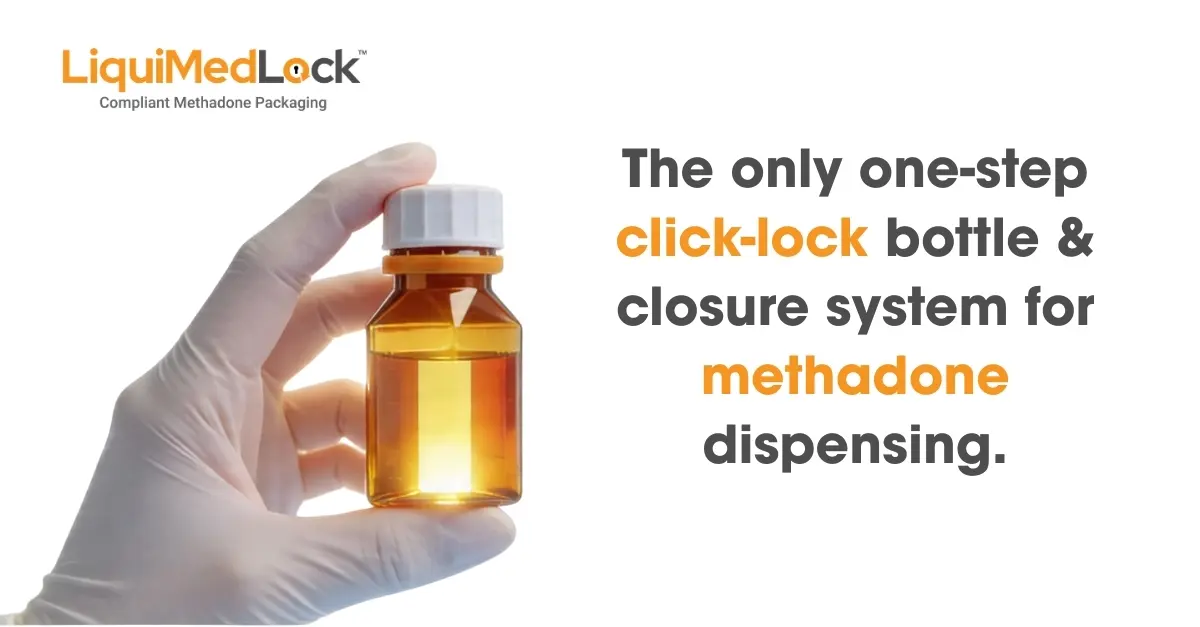
In high-volume Medication-Assisted Treatment (MAT) clinics, even minor errors can have major consequences. A bottle that’s not sealed properly, a dose that leaks, or a cap
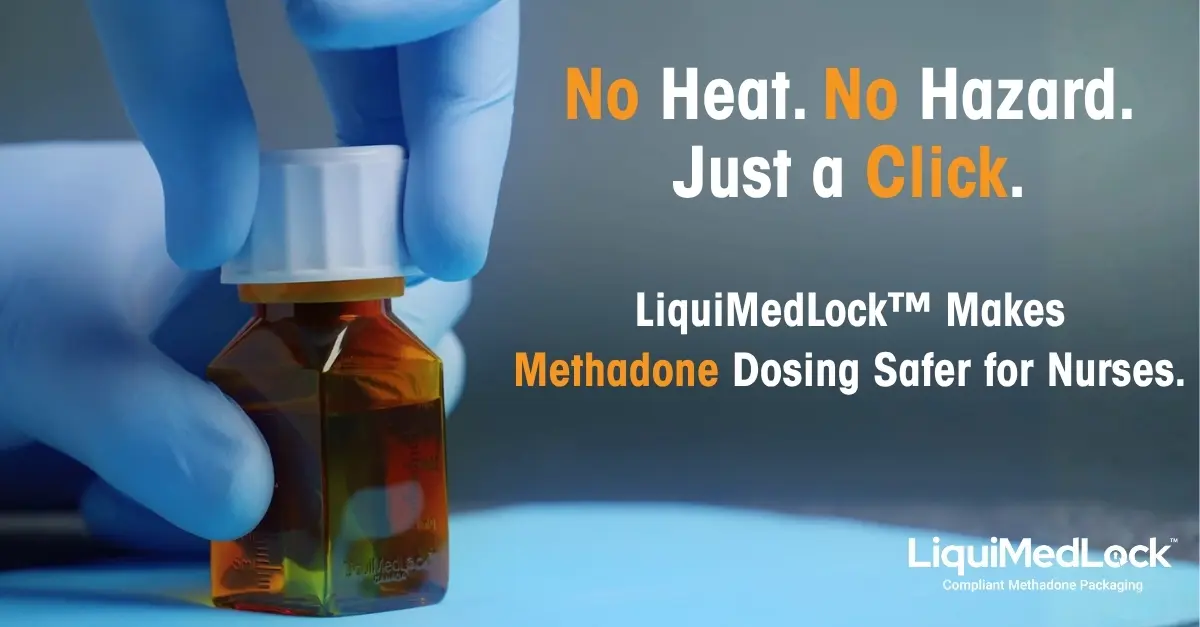
In methadone clinics, nurses aren’t just caregivers – they’re also the final checkpoint for safety, compliance, and dose verification. Every day, they batch bottles, supervise dosing,
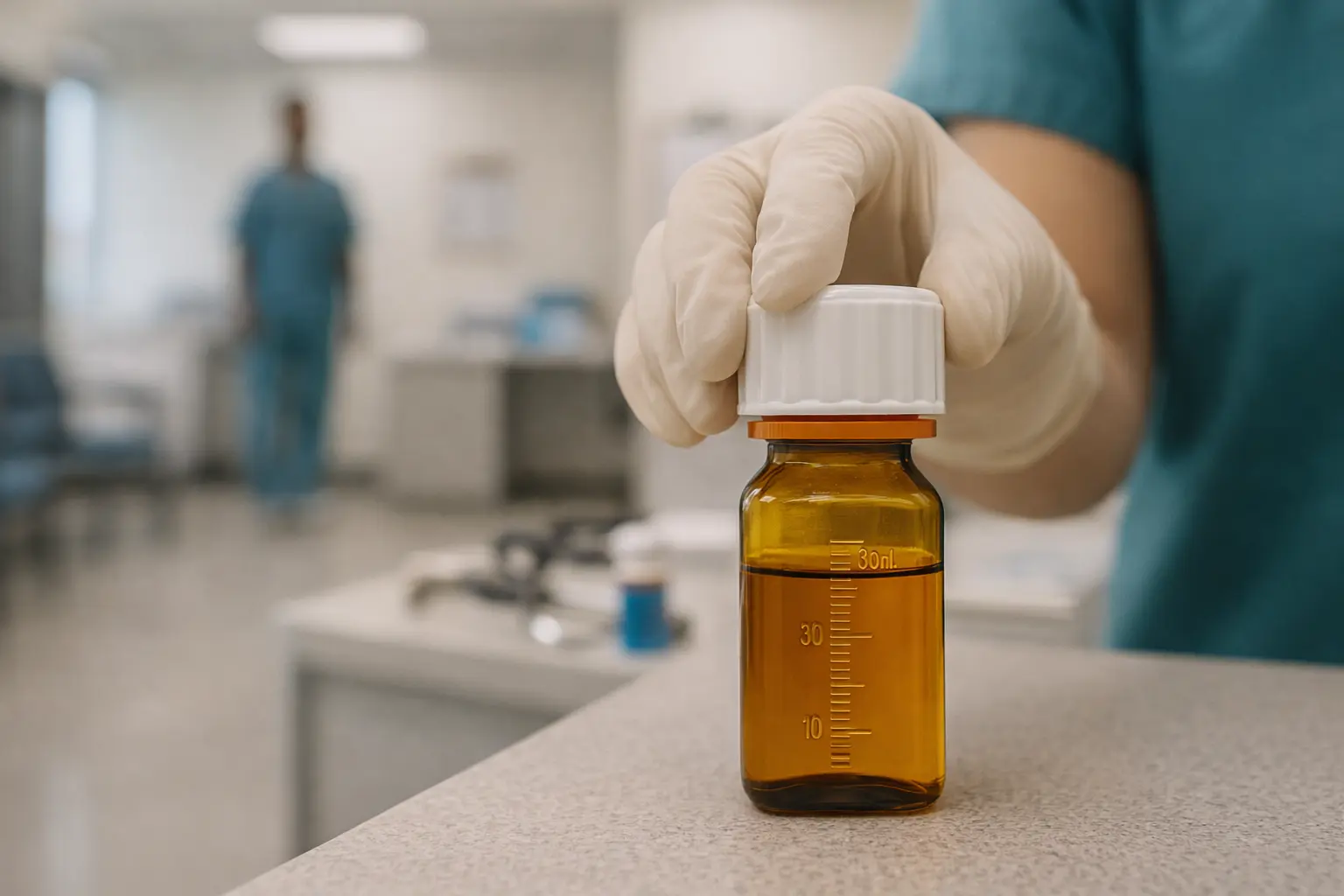
In methadone dispensing, accuracy isn’t optional – it’s a regulatory, clinical, and safety imperative. A deviation of even a few milliliters can compromise a patient’s stability,

For decades, methadone packaging has remained largely unchanged – until now. As Medication-Assisted Treatment (MAT) programs face tighter compliance regulations, growing patient volumes, and evolving telehealth

